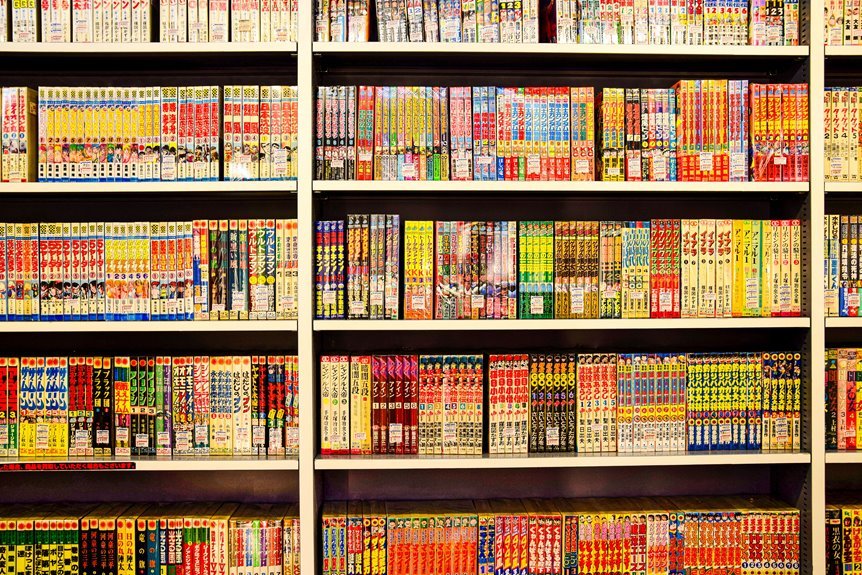
Light novels foreground prose-driven interiority, while manga emphasizes kinetic visual pacing. The contrast shapes narrative focus: dense narration versus immediate cinematic framing. Critics compare pacing, accessibility, and audience expectations, noting prose depth invites imagination whereas panels guide mood and texture. Adaptation trajectories hinge on these strengths, influencing how stories unfold across formats. The question remains which medium sustains nuance or clarity, and whose preferences steer the next turn in this ongoing discourse.
What Sets Light Novels and Manga Apart
Light novels and manga occupy distinct narrative media, yet they frequently share source material and audience, revealing both overlap and divergence in form, pacing, and sensory emphasis. Comparative analysis notes prose-centric internalization versus visual sequencing, guiding genre trends and illustration styles. The medium distinction shapes reader agency, adaptation pathways, and interpretive demand, enabling freedom to critique stylistic assumptions while acknowledging complementary storytelling affordances.
How Each Medium Tells a Story: Prose Depth vs Visual Pacing
Prose in light novels delivers interiority and exposition through extended narration, while manga relies on the kinetic cadence of panels to govern pacing and emphasis. The comparison reveals divergent prose depth versus visual pacing, where worldbuilding scope expands through description, and artwork integration refines mood and texture. Each medium negotiates narrative tempo, leveraging textual density or sequential imagery to shape reader interpretation.
Audience, Adaptations, and When Each Shines
Audience reception, adaptation trajectories, and the contexts in which each medium excels hinge on how readers engage with texture, pacing, and visual cueing.
Comparative analysis highlights divergent audience expectations: readers prize prose nuance in light novels, while manga emphasizes sequential clarity and artful framing.
Adaptation timelines influence fidelity, pacing, and commercial viability, underscoring the equilibrium between narrative depth and accessibility.
Choosing Your Next Read: Quick Cheatsheet to Decide Between Light Novel and Manga
Deciding between a light novel and a manga hinges on evaluating reader priorities: prose depth versus visual sequence, pacing flexibility against immediacy, and the desire for interior reflection versus cinematic framing.
The cheatsheet contrasts light themes, illustration style, and character voice with pacing differences, reader imagination, and adaptation constraints, offering concise criteria for choice without prescriptive bias.
Frequently Asked Questions
Do Light Novels Have More or Fewer Chapters Than Manga Volumes?
Light novels typically span more chapters than manga volumes, yielding denser content. In comparison, manga volumes condense material. This affects character design emphasis and fan translations, with longer prose guiding analysis; freedom-seeking readers compare pacing and adaptation risks analytically.
Which Format Is Better for Complex World-Building?
Complexity vs visuals: studies show readers retain world-building details better when narrative depth accompanies text. The format offering greater reader imagination vs fidelity tends toward light novels for complex world-building, whereas manga emphasizes visuals and rapid comprehension.
Can Manga Adapt All Light Novel Arcs Faithfully?
Manga cannot faithfully adapt all light novel arcs due to pacing differences and narrative density; analysts note omissions and compressed arcs. Comparative data suggests faithful adaptation is contingent on selective arc choices, emphasizing pacing differences and medium-specific storytelling limitations.
How Does Pacing Differ Between Reading Formats?
Pacing differences arise between formats: manga delivers quicker scene transitions and visual tempo, while light novels allow extended internalization; reader engagement varies with narrative density, panel pace, and prose stretches, shaping interpretive freedom and comparative comprehension.
Are There Cost Differences Between Light Novels and Manga?
Light novels generally cost more per title than manga, though purchasing options (digital, bundles, libraries) can narrow gaps. The data point: per-installment price often favors manga. An anecdote: readers pace budgets like stair steps, optimizing total expenditure.
Conclusion
In summary, substantial storytelling slows in prose and accelerates via artistry. Light novels luxuriate in layered language, lending latitude for luxurious interiority, while manga manifests momentum through meticulously manipulated panels and crisp cinematography. Both balance breadth and depth, yet their strengths hinge on reader reception: contemplative immersion versus rapid resonance. Comparisons corroborate core contrasts, confirming cautious conclusions. Readers with preference for philosophy of phrasing may favor prose; readers craving concrete conveyance opt for graphic gravitas. Ultimately, choosing hinges on taste, tempo, and targeted thematic traction.
