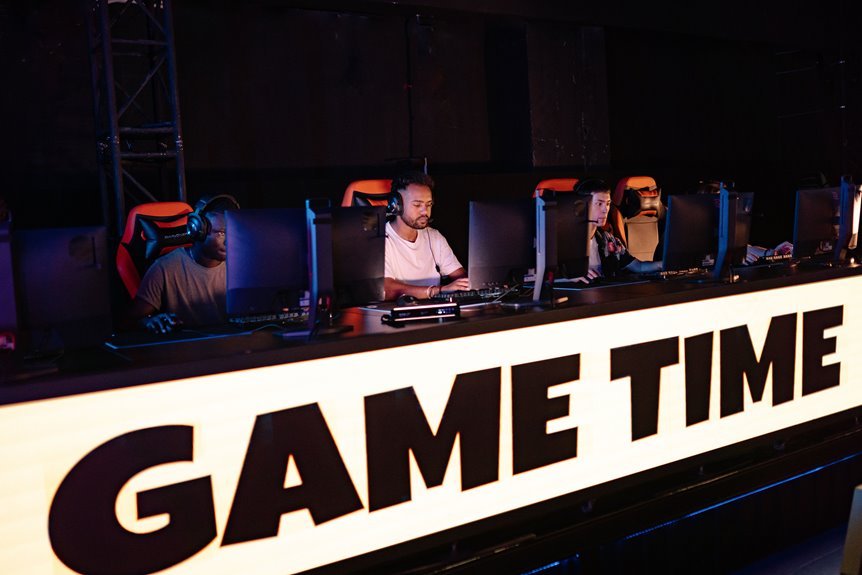
The discussion centers on time spent playing LoL as a proxy for engagement, not skill. It examines what hours reveal about decision-making, risk tolerance, and role balance. Practical methods exist to log and audit activity, producing dashboards that show drift and burnout risk. The question remains: do these metrics guide sustainable practice and authentic improvement, or do they merely confirm preconceptions? The answer hinges on disciplined tracking and clear goals, inviting ongoing scrutiny.
What Time Spent Really Measures in LoL
Time spent in League of Legends is best understood as a proxy metric for player engagement and opportunity cost rather than a direct measure of skill or productivity. The figure reflects time allocation decisions and their tradeoffs, not innate ability.
Analysts critique its precision, noting biases in playstyle and queue length. Interpretations emphasize opportunity cost and the broader constraints shaping competitive focus and resource prioritization.
Track Your Hours: Practical Methods and Tools
Tracking hours in League of Legends requires a disciplined approach: the aim is to quantify engagement without conflating busywork with meaningful practice. Trackers offer time tracking and passive logging, while dashboards emphasize data interpretation over raw totals. Tools vary from spreadsheets to apps, enabling periodic review, alerts, and exportable summaries. The method hinges on consistent metrics, not obsession, fostering informed, autonomous improvement.
What the Numbers Reveal About Your Playstyle
Numbers distilled from playtime offer a diagnostic lens: they reveal patterns in decision-making, mechanical execution, and risk tolerance that raw wins and losses conceal. Time spent reframes behavior, not outcomes, highlighting disparities between intention and action. Playstyle metrics expose consistency, adaptation, and tempo. The data guides authentic freedom, naming tendencies without prescribing monotony or escalation.
Using Time Insights to Improve and Balance Your Gaming
Analyzing time insights serves as a practical compass for refining play and achieving balance across roles and strategies. Time insights inform targeted adjustments, highlighting overinvestment in limited roles and underutilized capabilities. Practitioners should practice disciplined time management, allocating minimal but meaningful sessions to avoid drift.
Burnout awareness emerges as critical: set limits, monitor fatigue, and recalibrate goals to sustain freedom and strategic clarity.
Frequently Asked Questions
Does Playtime Include Queue Dodges or Afk Teabreaks?
Yes, playtime metrics include queue dodges and afk teabreaks, but exclude cross acc tracking and smurfing ethics concerns; still, they distort accuracy. The analysis notes deliberate avoidance of accountability through smurfs, undermining genuine skill development and freedom.
How Accurate Are In-Game Timers for Total Time Spent?
In-game timers are imperfect; time tracking is approximate, with data reliability varying by client and activity. Like a lighthouse flicker, one anecdote shows queues skewing totals, yet broader patterns survive. Overall, accuracy remains partial and situational.
Do Hours Correlate With Skill Improvement or Rank Rise?
Time management shows limited skill correlation; hours spent do not reliably predict rank rise. The relationship is weak, with diminishing returns, suggesting deliberate practice and strategic focus matter more than sheer time investment for meaningful improvement.
Can Time Spent Be Biased by Multiple Accounts or Smurfing?
Time accrual is susceptible to bias via time tracking ethics and account sharing, as smurfing or multiple accounts can distort totals. Consequently, time spent may not reflect genuine skill; governance requires robust, tamper-resistant auditing and independent verification.
Should I Track Time Across Patches and Seasonal Resets?
Time investment should be tracked across patches and seasonal resets to reveal true pacing. A detached analysis notes fluctuations, avoiding bias, and emphasizes a consistent pacing strategy that supports freedom while revealing how changes alter overall engagement and resource allocation.
Conclusion
In sum, time spent watching the LoL clock reveals patterns without proving prowess. The data—hours logged, session length, and frequency—functions as a diagnostic, not a verdict. When tracked consistently, it highlights drift, balance, and opportunity costs, guiding sustainable practice and role calibration. The numbers, like a weathered compass, point toward better decisions rather than heroic feats, underscoring that engagement, not skill, determines the reliable rhythm of play.
