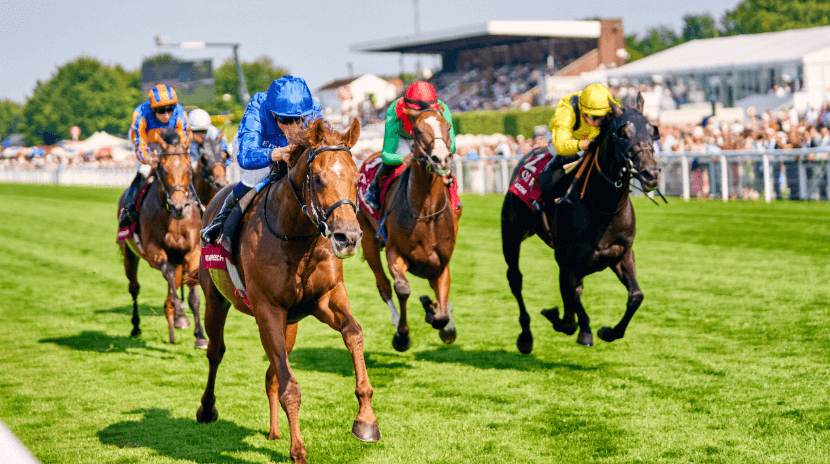
Horse racing plays a crucial role in bolstering the economy through various channels. It creates stable job opportunities in sectors like equine services and veterinary care. Furthermore, local communities benefit from increased tourism, which enhances hospitality and entertainment revenues. This industry also supports agriculture, fostering sustainable practices. The intricate connections between these elements reveal a deeper narrative about economic vitality that merits further exploration.
Job Creation in the Horse Racing Industry
While the horse racing industry often evokes images of thrilling races and high-stakes betting, it also plays a crucial role in job creation within the economy.
The sector provides stable employment opportunities through various equine services, including training, veterinary care, and facility maintenance.
Economic Impact on Local Communities
The economic impact of horse racing on local communities extends far beyond the racetrack, influencing various sectors and enhancing community well-being.
Local sponsorships foster community engagement, allowing businesses to thrive while supporting regional initiatives. This symbiotic relationship cultivates a sense of pride and ownership among residents, ultimately contributing to a vibrant local economy that champions independence and encourages sustainable growth.
See also: How Horse Racing Benefits Local Economies
Tourism and Hospitality Boost
Horse racing significantly contributes to the tourism and hospitality sectors, attracting visitors from both nearby and distant locales.
This form of event tourism fosters robust hospitality partnerships, enhancing local economies through increased hotel bookings, dining, and entertainment.
Moreover, the excitement surrounding races encourages repeat visits, solidifying horse racing as a key driver of sustainable economic growth within the tourism industry.
Support for Agriculture and Related Industries
A vibrant equine industry serves as a vital support system for agriculture and related sectors, creating a symbiotic relationship that bolsters rural economies.
Feed production and equine services are integral components of this ecosystem, fostering local jobs and encouraging sustainable practices.
Conclusion
In the vibrant tapestry of local economies, horse racing emerges as a gallant steed, galloping forth to create jobs, invigorate tourism, and nurture agricultural ties. As crowds gather, the air brims with excitement and community spirit, weaving a rich narrative of pride and resilience. This dynamic industry not only fuels economic growth but also fosters lasting connections among people and places, ensuring that the hoofbeats of horses echo through the heart of rural vitality for generations to come.
